


Why Powder Content Matters in Nitrile Gloves
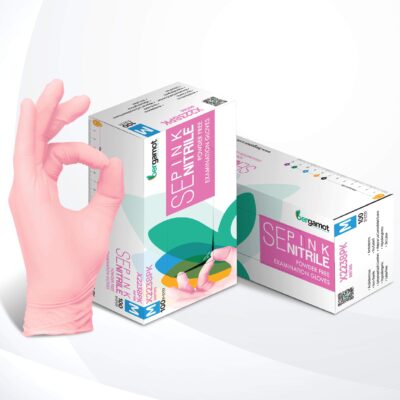
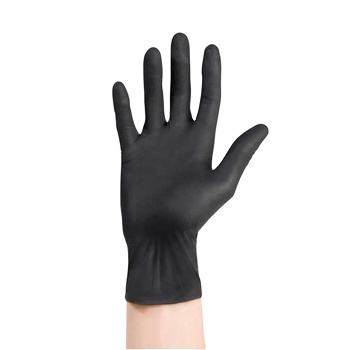
When sourcing nitrile gloves, one of the first decisions is whether to select powder-free or low-powder types. Though similar in appearance, the difference in powder levels affects everything from donning ease to contamination risk and international compliance.
Powder was traditionally added to gloves (usually with corn starch) to make them easier to put on and remove. However, in many industries—especially healthcare and food service—the residues can lead to skin irritation, allergic reactions, or contamination. That’s why global procurement is now heavily shifting toward powder-free nitrile gloves made by certified Nitrile Glove Manufacturers.
The Key Differences Between Powder-Free and Low-Powder
| Feature | Powder-Free Gloves | Low-Powder Gloves |
|---|---|---|
| Powder Content | ≤2 mg per glove (virtually none) | Typically 2–15 mg per glove |
| Residue | Minimal, clean surface | Light powder residue inside |
| Ease of Donning | Slightly harder, especially with sweaty hands | Easier due to lubrication |
| Allergen Risk | Very low | Medium to high |
| Applications | Medical, food, cleanroom, tattoo | Industrial, janitorial, maintenance |
| Compliance | Meets FDA & EU powder-free standards | May not meet medical grade in many regions |
While low-powder gloves remain popular for industrial or maintenance work, powder-free gloves dominate healthcare, food processing, and beauty industries due to stricter hygiene requirements.
How Manufacturers Achieve Powder-Free Comfort
To compensate for the removal of powder, manufacturers developed surface treatment technologies such as:
-
Polymer coating – Smooths the inner surface for easy donning without powders.
-
Chlorination – Slightly etches the glove’s surface to reduce tackiness.
-
Silicone micro-coating – Adds slip without affecting grip.
Reliable Medical Nitrile Glove Manufacturers use these advanced methods to achieve powder-free designs that still feel comfortable during long wear times.
Global Regulations and Bans
In 2017, the U.S. FDA banned powdered medical gloves due to the risk of airway inflammation and wound complications. The EU followed with EN455 guidelines mandating similar restrictions.
That means distributors handling both healthcare and industrial clients need to keep product segregation clear — medical buyers can only accept powder-free gloves, while low-powder gloves should be labeled strictly for non-medical use.
Contamination Control in Critical Environments
In food processing, even a few milligrams of powder can compromise hygiene tests. Powder particles can carry starch residues into sealed packages or affect product texture. Similarly, in tattoo studios and beauty salons, airborne powder can contaminate inks and adhesives.
That’s why many of these industries rely exclusively on powder-free nitrile gloves from trusted bulk Nitrile Glove Wholesale suppliers that ensure stable surface quality and minimal residue migration.
Cost Considerations for Procurement Teams
Powder-free gloves may have a slightly higher unit cost due to extra processing steps like polymer coating and chlorination. However, the total cost of ownership (TCO) is often lower when factoring in fewer complaints, lower contamination risk, and smoother regulatory audits.
For distributors managing multiple categories (medical, food, industrial), it’s cost-effective to maintain a mixed inventory — powder-free gloves for regulated sectors and low-powder gloves for maintenance or general tasks.
Key Takeaways for Buyers
✅ Check compliance. Ensure the gloves meet FDA or EN455 powder-free standards.
✅ Understand application. Choose powder-free for medical or food contact; low-powder for general tasks.
✅ Audit coating method. Ask if the surface is polymer-coated or chlorinated.
✅ Work with trusted suppliers. Reliable manufacturers will always provide COAs and powder content reports.
Selecting the right glove type improves not only comfort but also compliance and brand credibility — especially when customers trust your commitment to hygiene and safety.