


Why Food-Contact Compliance Matters
In the food processing industry, glove contamination is one of the top causes of product recalls and quality complaints. A single glove with improper formulation can leach harmful substances into food, jeopardizing both consumer safety and brand reputation.
That’s why companies across the food, beverage, and packaging sectors rely on certified Food Handling Nitrile Gloves Manufacturers. These suppliers produce gloves specifically engineered to meet FDA (21 CFR Part 177) and EU Regulation 10/2011 requirements for food-contact safety.
What Makes a Nitrile Glove “Food-Safe”
To qualify as food-contact compliant, nitrile gloves must pass migration testing—a procedure that measures the amount of chemical transfer from the glove to food under specific temperature and time conditions.
✅ Overall Migration Test: Ensures that the total amount of substances migrating into food does not exceed legal limits (10 mg/dm² in the EU).
✅ Specific Migration Test: Checks individual additives like accelerators, plasticizers, or pigments.
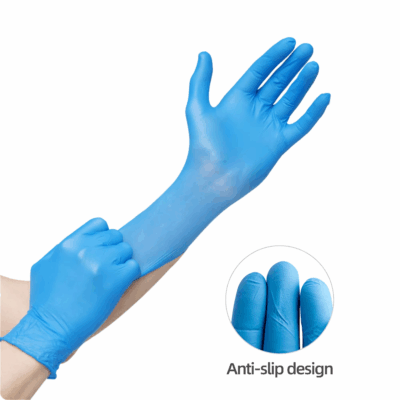
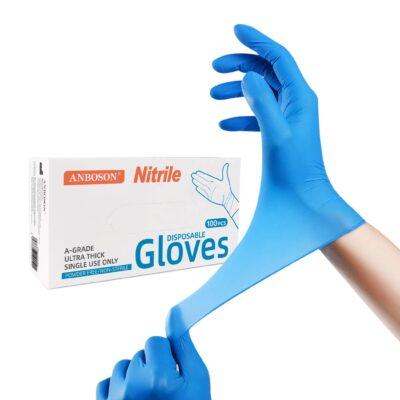
✅ Color Safety: Non-toxic dyes are used in blue or black gloves for easy visual detection.
Only certified Nitrile Glove Manufacturers can provide migration reports verified by independent laboratories such as SGS or TUV.
HACCP and ISO Requirements
Under HACCP (Hazard Analysis and Critical Control Point), gloves are considered part of your preventive control system. The wrong glove type can introduce foreign matter, allergens, or microbiological risks.
Here’s how nitrile gloves support HACCP compliance:
-
Color-coding: Blue or black gloves are easier to detect if torn.
-
Material Integrity: Nitrile resists punctures and tearing better than vinyl.
-
Residue-Free: Powder-free finish prevents starch or dust contamination.
-
Traceability: Batch numbers link gloves to test reports and supplier audits.
Procurement teams are advised to source from suppliers who can issue ISO 9001, ISO 13485, or BRCGS Food Safety certificates to prove consistent production control.
Color-Coding and Cross-Contamination Control
Color coding is a simple but powerful tool for food processors managing multiple production zones:
| Zone | Recommended Glove Color | Rationale |
|---|---|---|
| Raw Meat | Blue | Easily visible against red meat |
| Bakery | White | Prevents pigment contamination |
| Ready-to-Eat | Black | Detects flour or dough residue |
| Seafood | Green | Distinguishes allergen areas |
Many plants adopt double-color glove systems to prevent accidental zone crossover. This helps auditors visually confirm compliance in real time.
When to Replace Gloves
Even the best nitrile gloves degrade under frequent washing, oil exposure, or long wear. Best practice suggests:
-
Replace every 4 hours during continuous use.
-
Discard immediately if punctured, torn, or contaminated.
-
Avoid reusing single-use gloves, even within the same shift.
Periodic staff training on glove change procedures can reduce contamination risk by over 60%, according to industry studies.
Choosing Between Standard and Heavy-Duty Gloves
| Type | Thickness | Typical Use | Recommended Source |
|---|---|---|---|
| Standard Food-Grade Nitrile | 3–4 mil | General processing and packaging | Nitrile Glove Manufacturers |
| Heavy-Duty Food-Grade Nitrile | 5–6 mil | Butchery, seafood, high-fat foods | Food Handling Nitrile Gloves Manufacturers |
Selecting the right thickness ensures both comfort and safety — thinner gloves enhance tactile sensitivity, while thicker options extend durability in demanding environments.
Procurement Checklist for Food Industry Buyers
Before approving any glove vendor, verify these essentials:
☑ Migration test reports (EU 10/2011, FDA 21 CFR 177)
☑ Powder-free certification
☑ Batch and lot traceability system
☑ Consistent color control (Pantone match)
☑ HACCP training materials or documentation support
Buyers who integrate these checkpoints into their supplier audits significantly reduce compliance risks and improve long-term procurement efficiency.
Sustainability in Food-Grade Glove Production
Eco-conscious buyers are increasingly requesting gloves made with low-carbon nitrile formulations, biodegradable additives, or solvent-free coatings. Leading manufacturers are already implementing greener production lines to meet ESG and CSR standards without compromising performance.
Key Takeaways
-
Always request migration and safety test reports before purchase.
-
Maintain color-coded glove policies to prevent cross-contamination.
-
Partner with certified nitrile glove suppliers who provide full documentation.
-
Balance glove comfort, durability, and compliance when selecting thickness levels.
By standardizing on compliant food-contact nitrile gloves, your brand can ensure both regulatory safety and operational efficiency—keeping customers protected and auditors satisfied.