


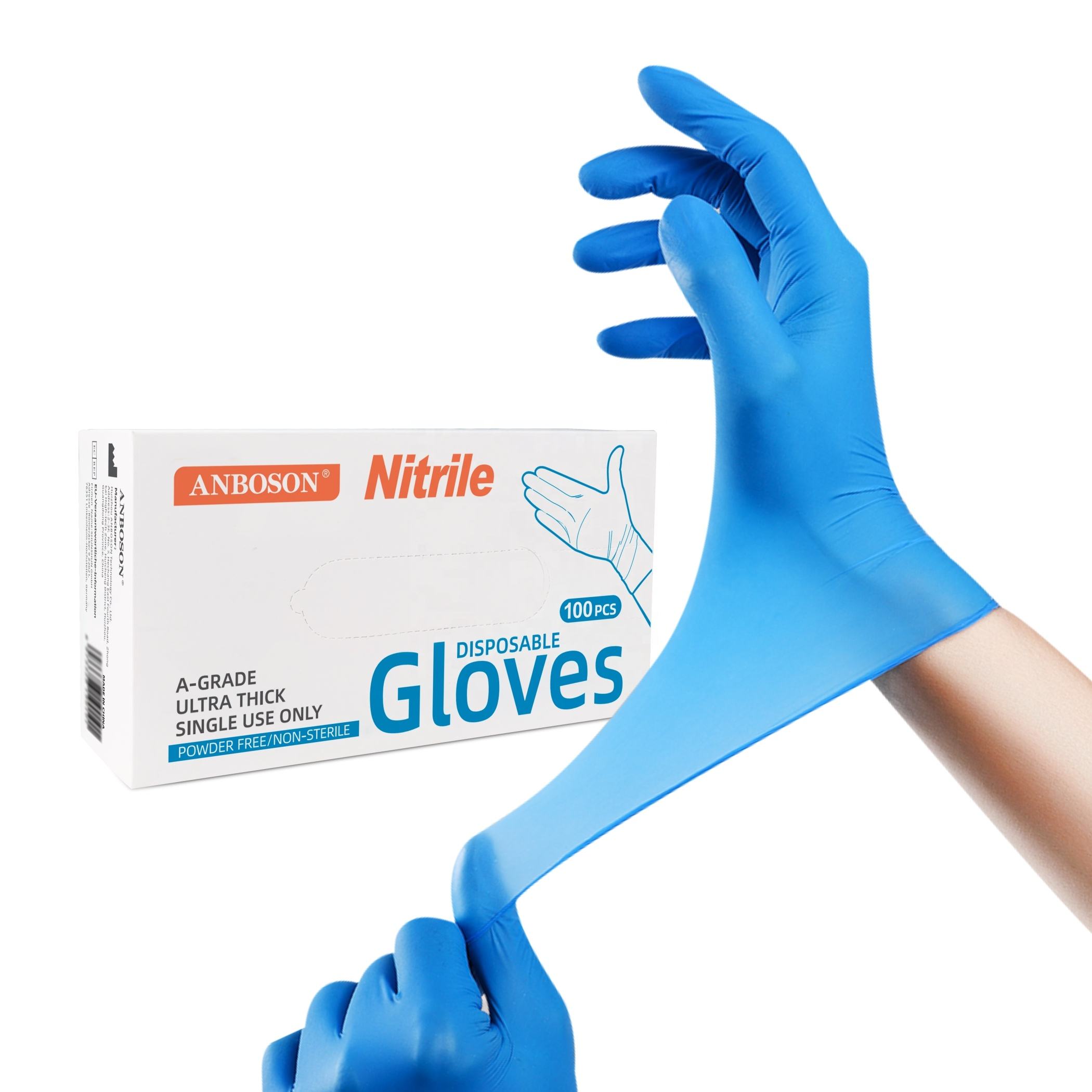
Why Donning Technology Matters
In the medical and laboratory world, the ease with which a glove can be put on — called donning — isn’t just about comfort. It affects speed, hygiene, and even glove integrity. If gloves stick together or tear during donning, contamination risks and waste both increase.
That’s where advanced surface finishing technologies such as chlorination and polymer coating come in. These post-processing methods determine how smooth, tacky, or durable a glove feels, directly impacting user experience and compliance.
Leading Nitrile Glove Manufacturers have refined these processes to balance donning ease, surface texture, and glove lifespan across different industries.
What Are Chlorinated Nitrile Gloves?
Chlorination is a chemical treatment that exposes nitrile gloves to a diluted chlorine solution. This lightly etches the inner surface, breaking down residual tackiness and powder residue.
Advantages:
-
Easy to don and remove without additional powder
-
Smooth surface ideal for sterile environments
-
Lower friction even in humid or sweaty conditions
Limitations:
-
May slightly reduce tensile strength after repeated exposure
-
Over-chlorination can cause a faint odor or minor surface brittleness
Chlorinated gloves are favored in surgical wards, dental clinics, and laboratories where powder-free hygiene is mandatory and fast glove changes are frequent.
What Are Polymer-Coated Nitrile Gloves?
Polymer coating involves applying a thin layer of polymer material (usually polyurethane or acrylic) to the glove’s interior. The result is a silky-smooth finish that makes donning effortless — even with damp hands.
Advantages:
-
Enhanced durability; no impact on glove strength
-
More consistent coating quality than chemical chlorination
-
No chlorine odor or residue
-
Excellent comfort for extended use
Limitations:
-
Slightly higher production cost
-
May reduce grip if both sides are coated
Top Medical Nitrile Glove Manufacturers often use polymer coatings for exam gloves, balancing patient safety with comfort and efficiency.
Chlorinated vs. Polymer-Coated: Side-by-Side Comparison
| Feature | Chlorinated | Polymer-Coated |
|---|---|---|
| Donning Ease | Very good | Excellent |
| Odor | Slight chlorine smell | Neutral |
| Strength Retention | Slightly reduced | Fully retained |
| Surface Smoothness | Dry smooth | Silky smooth |
| Powder-Free Compliance | Yes | Yes |
| Shelf Life | Moderate | Long |
| Cost | Lower | Slightly higher |
While chlorination offers a cost-effective route to powder-free comfort, polymer coating provides a premium experience for high-volume users who prioritize performance and longevity.
Choosing the Right Donning Technology
Procurement managers should consider:
✅ Usage Environment:
-
Choose chlorinated gloves for quick-use, single-shift operations (medical, dental).
-
Choose polymer-coated gloves for extended wear or repeated glove changes.
✅ Allergen Sensitivity:
-
Polymer-coated nitrile is ideal for users with skin sensitivities.
✅ Budget and Volume:
-
Chlorinated gloves provide cost efficiency for large-scale hospitals.
Both finishes eliminate the need for powder — aligning with the global FDA 2017 powder ban — and enhance hygiene compliance in healthcare settings.
Shelf Life and Storage Guidelines
To maintain donning quality:
-
Store between 10°C–30°C in a dry, shaded area.
-
Avoid exposure to ozone, UV, or solvents.
-
Rotate stock every 18–24 months for best tactile performance.
Proper storage ensures that coatings remain intact and smooth, preventing sticking or tearing during glove deployment.
Future Trends in Donning Technology
Innovations are emerging in water-based polymer systems, dual inner coatings, and electrostatic coating processes that improve efficiency and sustainability.
Manufacturers are also experimenting with biodegradable coating polymers, further reducing environmental impact while maintaining the same smooth feel.
Key Takeaways
-
Chlorinated gloves: cost-effective, hygienic, and suitable for fast-paced clinical environments.
-
Polymer-coated gloves: premium comfort, enhanced durability, and odor-free performance.
-
Always match donning type to application, frequency, and user preference.
-
Partner with verified nitrile glove suppliers who maintain full traceability and coating process documentation.
By understanding these technologies, buyers can make informed decisions that enhance both staff safety and operational efficiency.