


Understanding the Three Major Glove Materials
When choosing disposable gloves, buyers often compare nitrile, latex, and vinyl materials. Each has its own balance of elasticity, comfort, chemical resistance, and cost. For procurement managers, understanding these differences helps optimize purchasing decisions while maintaining compliance and usability.
Nitrile gloves, produced by experienced Nitrile Glove Manufacturers, have rapidly become the industry standard for healthcare and laboratory environments. Latex gloves remain popular in high-precision medical applications, while vinyl gloves are the budget-friendly choice for low-risk tasks.
🧪 1. Nitrile Gloves — The Modern Standard
Material: Synthetic nitrile butadiene rubber (NBR)
Best for: Healthcare, food processing, tattoo, and industrial work
Advantages:
-
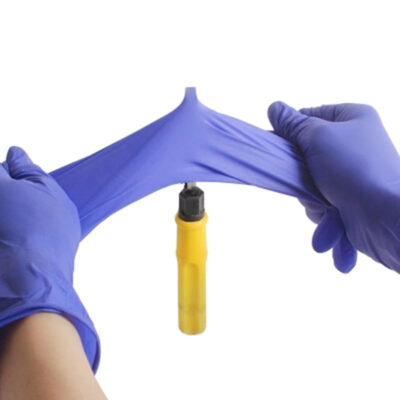
Excellent puncture and tear resistance
-
Chemical protection against oils, solvents, and cleaning agents
-
Latex-free, suitable for users with allergies
-
Longer shelf life and stable supply
Considerations:
-
Slightly higher price point
-
Lower tactile sensitivity than latex for micro-precision tasks
Trusted Medical Nitrile Glove Manufacturers continuously improve flexibility and texture, narrowing the comfort gap with latex while maintaining superior durability.
🌿 2. Latex Gloves — Natural Comfort with Limitations
Material: Natural rubber latex
Best for: Surgical, dental, and high-dexterity medical procedures
Advantages:
-
Exceptional elasticity and comfort
-
Excellent tactile sensitivity and grip
-
Biodegradable and renewable resource
Considerations:
-
Risk of latex allergies (Type I hypersensitivity)
-
Poor resistance to oils and solvents
-
Price fluctuation due to natural rubber supply
Many healthcare institutions have transitioned away from latex to minimize allergy risks. However, buyers who still require high-precision gloves may source from specialized Latex Glove Manufacturers with advanced de-proteinization processes.
💧 3. Vinyl Gloves — Economical but Limited
Material: Polyvinyl chloride (PVC)
Best for: Food service, cleaning, and short-duration tasks
Advantages:
-
Lowest cost per unit
-
Smooth, lightweight feel
-
Anti-static and suitable for general handling
Considerations:
-
Poor elasticity — prone to tearing under stress
-
Limited barrier protection against chemicals and viruses
-
Environmental impact due to plasticizers
Vinyl gloves work well for tasks with minimal contact risks. However, long-term procurement should focus on compliant options from reliable Vinyl Glove Manufacturers that meet FDA food-contact standards.
⚙️ Application-Based Procurement Guidance
| Application | Recommended Material | AQL Range | Notes |
|---|---|---|---|
| Surgical / Medical | Nitrile or Latex | 1.5–2.5 | Nitrile preferred for allergy-free zones |
| Food Handling | Nitrile or Vinyl | 2.5–4.0 | Vinyl is cost-effective for dry use |
| Industrial Cleaning | Nitrile | 2.5–4.0 | Strong solvent resistance |
| Tattoo / Beauty | Nitrile | 1.5–2.5 | Non-stick and dye-safe |
| Laboratory | Nitrile | 1.5 | High puncture resistance |
🌍 Sustainability and Supply Chain Considerations
Sustainability is becoming a procurement differentiator. Nitrile’s long lifespan offsets its synthetic origin, while latex’s biodegradability appeals to eco-conscious buyers. Vinyl, however, faces increasing scrutiny due to phthalate plasticizers and disposal challenges.
When possible, request environmental compliance reports or FSC certifications from glove suppliers to ensure responsible sourcing and waste management practices.
📦 Cost and Stock Management Strategy
Procurement managers should diversify supply by maintaining a multi-material strategy:
-
Nitrile: Core inventory for medical and industrial clients
-
Latex: Specialty use for surgical or tactile-demand tasks
-
Vinyl: Cost-control buffer for general and short-term applications
Working with an integrated network of Nitrile Glove Manufacturers ensures stable pricing, consistent AQL performance, and consolidated logistics for large-scale buyers.
✅ Key Takeaways
-
Nitrile offers superior protection and versatility.
-
Latex delivers unmatched comfort but carries allergy risks.
-
Vinyl remains a budget solution for low-risk environments.
-
Always align material selection with end-use application, regulatory compliance, and supply chain reliability.